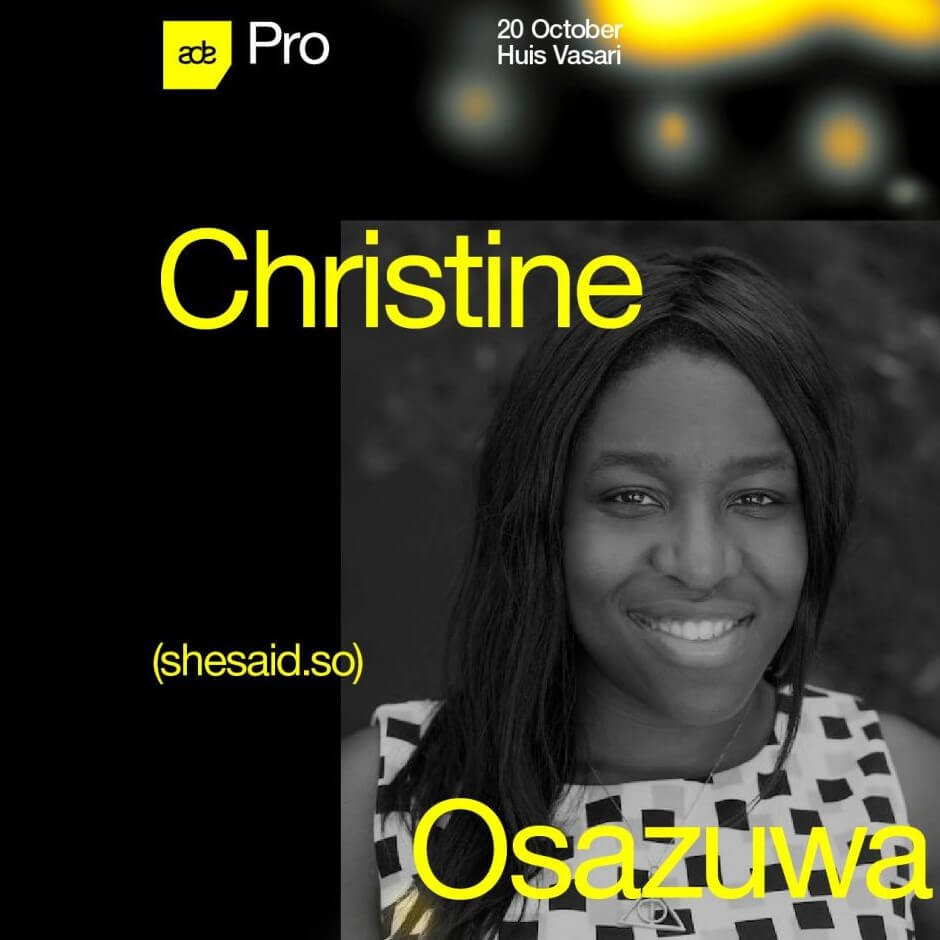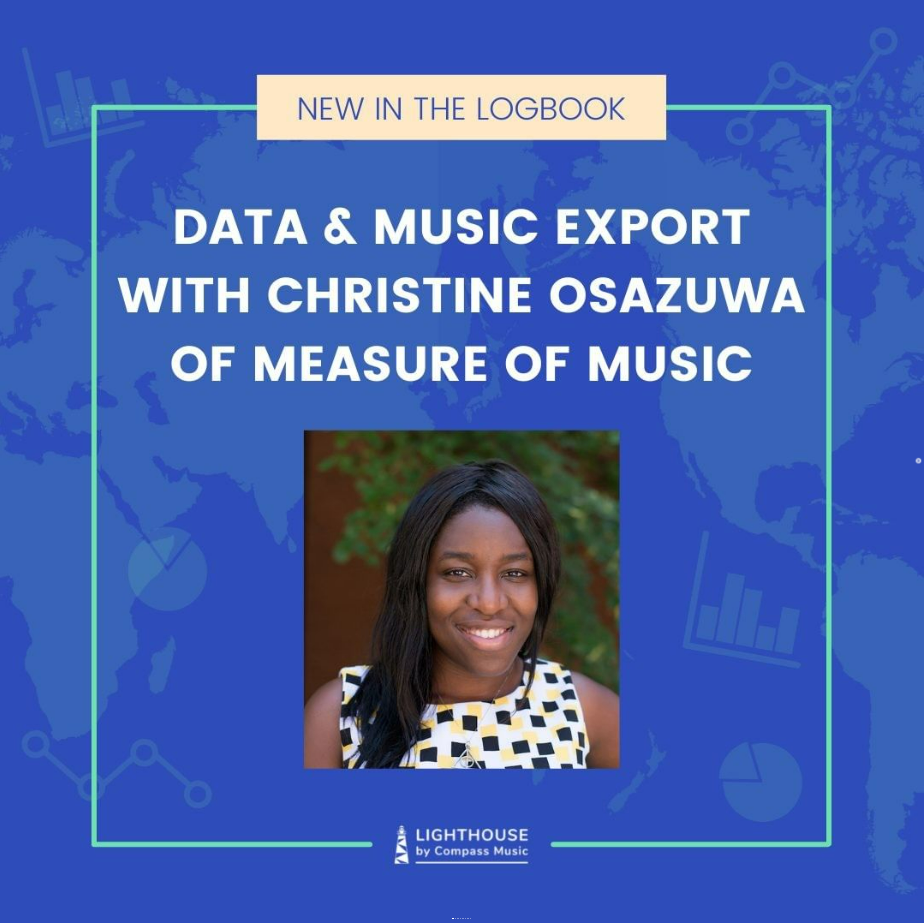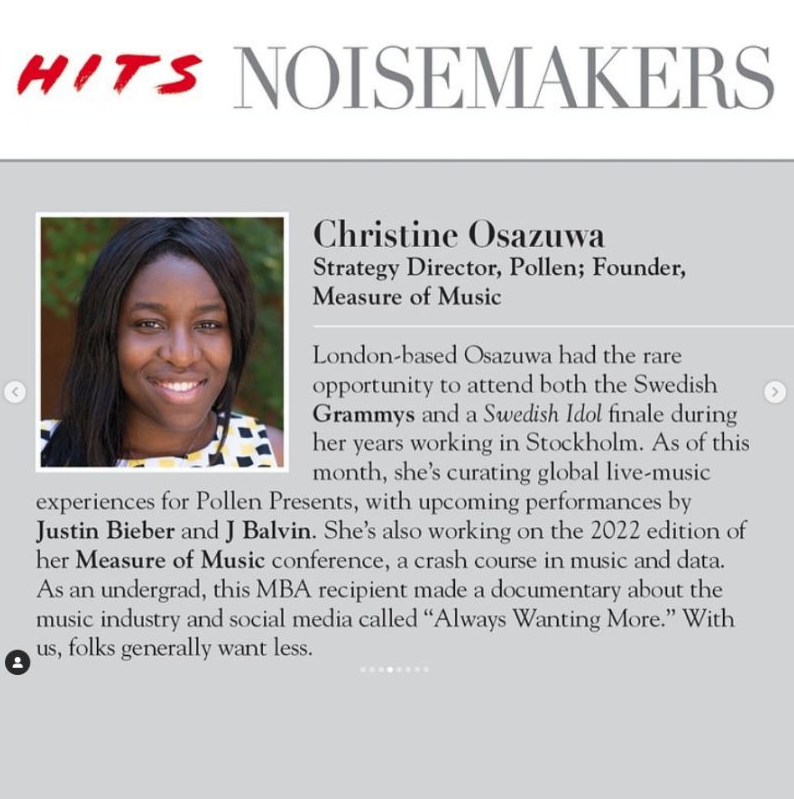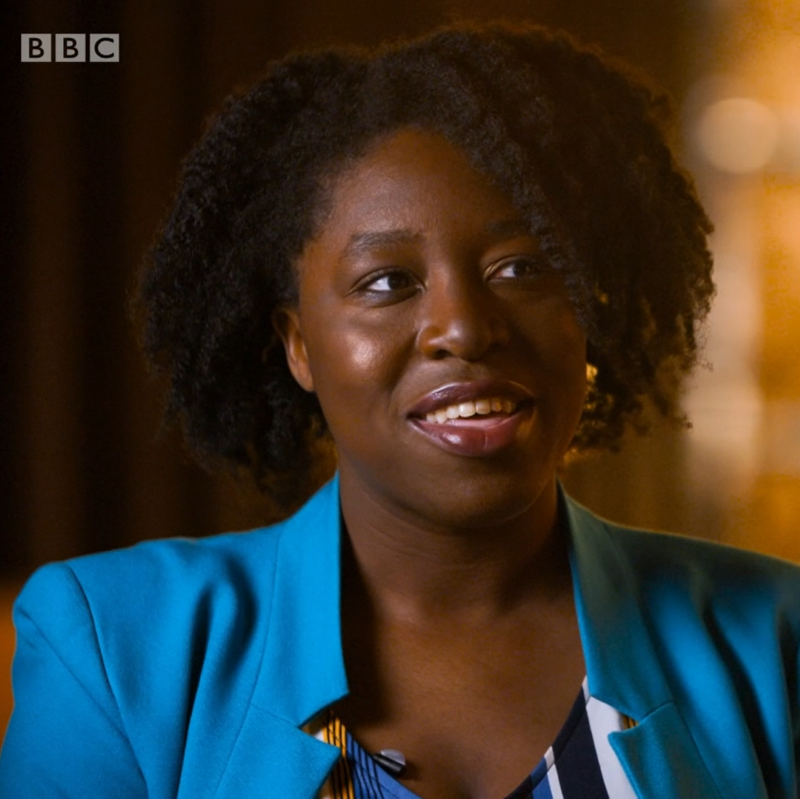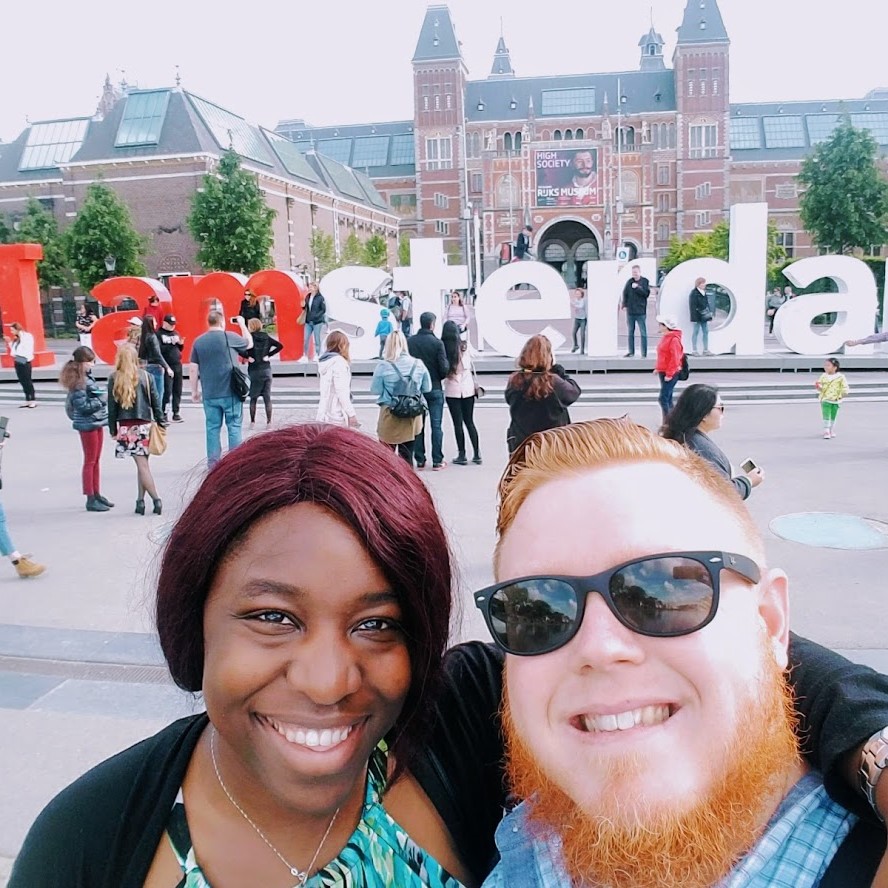
My name is Christine Osazuwa, also known as Christine O. or Scene Trash Christine. I'm 20 years old, from Baltimore, MD. This site is to share my academic interests, my resume, and other things that may persuade someone to someday give me a paycheck.
Always Wanting More is a documentary film investigating the culture of pop rock bands and the fanatic behavior exhibited by their fans. The purpose of the documentary is to understand the impact of music, marketing, and social media on culture, adolescent identity, and the music industry. (Read More)
The 21st Century has brought about challenges to the music industry with technological advancement of music distribution. Digital music poses a special challenge for musicians and record labels. In the early stages of file sharing and music download, it was uncertain whether companies should embrace the practice or banish it. While lawsuits and legal issues still occur often with music downloads, it is nearly impossible to succeed in the music industry without accounting for legal and illegal music downloading, “IFPI estimates around 95 percent of tracks are downloaded without payment to rights holders” (International Federation of the Phonographic Industry 5) .
The traditional business model of the industry consists of generating revenue from full albums; unfortunately, there has been a steep decline in the amount of full-length albums purchased since the industry peak in the late 1990s. One of the leading factors in peaks of music sales in the 90s is people purchasing CDs to replace their cassette tapes. Not only can physical CDs be converted to mp3s free, there is also an infinite amount of music available free on the internet (legally and illegally) (DeGusta).
The recording industry has been scrambling for the past decade to combat copyright infringement in terms of illegally downloading, synchronizing music to video (e.g. YouTube streaming), and remixing songs (e.g. the artist Girl Talk).Very slowly, record labels are starting to understand that this business model is no longer effective, and their actions to combat piracy are failing.
With my involvement in the music industry over the past years, I have discovered that stereotypes and prejudices are present within the business. Those most often victimized by the music industry are women. Countless studies have taken place that address women’s objectification in music videos and the demeaning nature of lyrical content. In addition, the concept of a “groupie” has been discussed through multiple media outlets such as books, music, television and movies. Groupies even span other forms of entertainment such as professional sports. What has not been as widely documented is women’s involvement in the music industry. In entertainment and in the real life settings, men are primarily shown as the heads of large music corporations and record labels. Up until recently, a women’s presence in a large corporation meant she was either a wife or secretary. When a woman is present at a rock concert specifically, certain assumptions are made. Unfortunately, many of these are negative assumptions are reinforced through behavior that aligns with these stereotypes. Because of media reinforcement as well as actual occurrences, these stereotypes continue to exist, thus limiting women’s mobility to work within the music industry.
Up until the end of the month, I will be working to finish filming a documentary funded by my university (UMBC) for my senior project.
The documentary is about the music industry through the eyes of fans, parents, bands, labels, companies, non-profits, merchies, techs, etc. etc. etc. It is an examination on how the line between public and private life is blurred through social networking and what marketing tactics take place to cause such intense dedication to pop bands and build a sense of identity amongst adolescents.
Though I’ve done quite a few interviews, if I haven’t talked to you yet and you would like to provide your two cents (fans, parents, bands, anyone) and answer a few questions you can contact me here or via email and we can meet up in the Baltimore/Philadelphia area.
If you don’t live in the mid-Atlantic and would like to be apart of this, you can email me at co7@umbc.edu and possibly send in a video instead!
Reblog, retweet, post places if you want to help me out!
Thanks,
Christine <3
PS - Just to name drop and get your attention the bands that I have already interviewed for the film include: We The Kings, The Cab, Artist Vs. Poet, the Pretty Reckless, Terrible Things, Hey Monday, versaemerge, and countless others…
When the internet became available to the non-technically savvy, average household, America Online was the leader in dial up service. Through the free availability of free floppy disks, and eventually CDs that provided AOL software and a few hours of free internet, AOL’s visibility in the internet marketplace was very high. In addition to the internet access, AOL provided its own dedicated browser and email provider, thus nearly monopolizing the market, at the time. In 1998, AOL acquired CompuServe and ICQ thus stamping out nearly all-additional competition in the market (Aol, 2010). By 1999, AOL’s revenue matched NBC’s and with a market value of $125 Billion, it was bigger than any other media concern in the world. The expressed goal of the company was ”To build a global medium as central to people’s lives as the telephone or television … and even more valuable” (Hansell, Now, AOL Everywhere, 1999). Basically, AOL’s goal, at the time was to be the equivalent of Microsoft to PCs—and position internet service to be just as valuable to the average American family as phone and television. With customer retention incredibly high and direct mailer marketing tactics, AOL succeeded in making the internet necessary for more and more people every year, permanently, and making themselves a world leader in internet, temporarily.
Anonymous asked: Couldn't figure out how to comment on your essay, but just wanted to mention this regarding soundscans for digital downloads: at least with iTunes, I think 10 single sales counts for 1 album sale.
-scottspur
My comments went away for a sec, but I fixed it. Thanks for pointing that out. That’s interesting that 10 single sales count for 1 album sales. Does it have to be different songs or the same song? I research iTunes a good amount but didn’t know about that.
indarkness-andlight asked: Thanks for following! :) I followed right back; your writing is purely amazing. :O The essay on Harry Potter and the Nazi Regime was...SO BRILLIANT. I hadn't really thought about the parallels between the two before so I found it really interesting to read as a Harry Potter fan. :D
Hey!
Thanks so much for the kind words, glad you liked it! Really appreciate the feedback!
He’s Just Not That Into You is based on the self-help book of the same name. The primary purpose is to help woman identify when men are not as interested in them romantically as they would like, but the movie also examines a man within the same situation. The movie is based on nine individuals searching for love. The events in the movie play out throughout Baltimore, involves a married couple, with the male having an extramarital affair, a couple dating for a years, and four additional single characters.